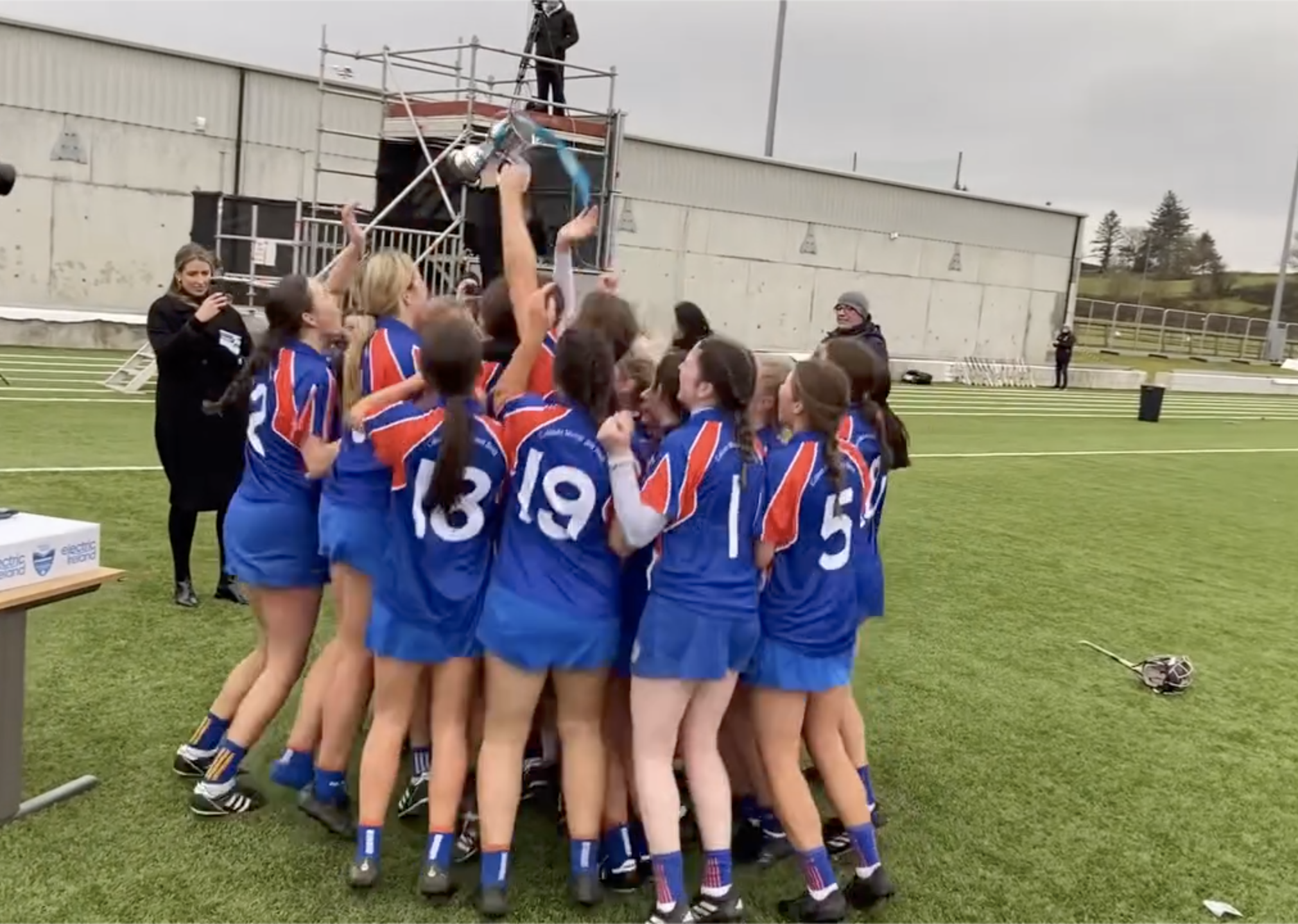
Participation in women’s sport at Mary Immaculate College is on the rise, but challenges around recognition, media coverage, and facilities continue to affect female athletes.
According to ladies’ football coach and lecturer Richard Bowles, student participation has significantly increased in recent years. “College sport, our participation rates are really soaring over the last number of years,” he said. “This year we fielded four teams in the Championship, which we had never done before.”
This growth reflects a wider return to campus life following COVID-19, with more students eager to get involved in sport. However, despite this positive trend, female athletes still face a number of ongoing challenges.
One of the main difficulties identified by Bowles is balancing academic and sporting commitments. “We would have a lot of players here who are also playing at a very high elite level at an inter-county level,” he explained. “Trying to manage those various workloads can be a big challenge.”
For players like second-year camogie player Aoife Power, the motivation to continue playing comes from a lifelong passion for sport. “I’ve always had a love for camogie growing up and I wanted to continue that throughout my college years,” she said. She also highlighted the social benefits of college sport, noting that it provides “a great opportunity for people to meet, make new friends, and meet new people.”
However, both interviewees pointed to a clear gap in recognition between men’s and women’s sports. Bowles noted that research consistently shows female athletes receive less media coverage than their male counterparts. “Players who are still playing may resent that a little bit,” he said, adding that the difference becomes even more apparent after athletes finish their careers.
Power was more direct in her assessment. “No, they don’t. 100% they don’t,” she said when asked whether women’s sports receive equal recognition. She compared the attention given to male competitions such as the Fitzgibbon Cup to the lack of support for women’s teams at the college. “I don’t think there’s enough recognition for women,” she added.
This issue extends beyond the college environment and reflects broader trends in sport. Power pointed to national examples, explaining that men’s All-Ireland finals regularly sell out, while female equivalents often do not attract the same level of attendance.
Social media promotion is another area where both contributors see room for improvement. While Bowles believes there is potential to develop stronger promotion strategies, he suggests this requires dedicated resources. “There needs to be some dedicated people who will look at that in terms of it being their job to publicise sport across campus,” he said. He also expressed hope that recent changes in college sports leadership could improve visibility.
Interestingly, Power believes that social media coverage is lacking across the board. “I actually don’t think there’s enough social media coverage for either of them, to be brutally honest with you,” she said.
Facilities also play a role in limiting the visibility of women’s sport. Bowles highlighted the lack of floodlights at Mary Immaculate as a barrier to attendance. “Our home games are played during the day, which can be quite difficult for people to get off lectures and come and attend,” he explained. He suggested that evening matches, similar to those in other universities, could significantly boost attendance.
Despite these challenges, the importance of a positive team environment remains central to player experience. Power emphasised the role of coaches and teammates in shaping this atmosphere. “If you don’t have a good coach or a positive coach, you’re not going to have a positive mindset,” she said. “It’s vital in keeping spirits up within the teams.”
Overall, while women’s sport at Mary Immaculate College is growing in participation and enthusiasm, issues around recognition, media coverage, and facilities remain. Both players and staff agree that with greater support and visibility, women’s sport can continue to develop and thrive on campus.
Here’s my interview with both Richard Bowles and Aoife Power